

Last week, I talked about structure.
Rhythm.
Distribution.
Energy boundaries.
But structure only works when you can actually see it.
Most creators in the 20k–100k range aren’t disorganized. They’re fragmented.
Ideas live in Notes.
Plans live in your head.
Analytics live in dashboards you rarely revisit.
Audience signals disappear into comment sections.
Collaborator tasks drift through chat threads.
Nothing is technically broken.
But nothing is fully visible, either.
And when your work isn’t visible, it’s almost impossible to improve it deliberately.
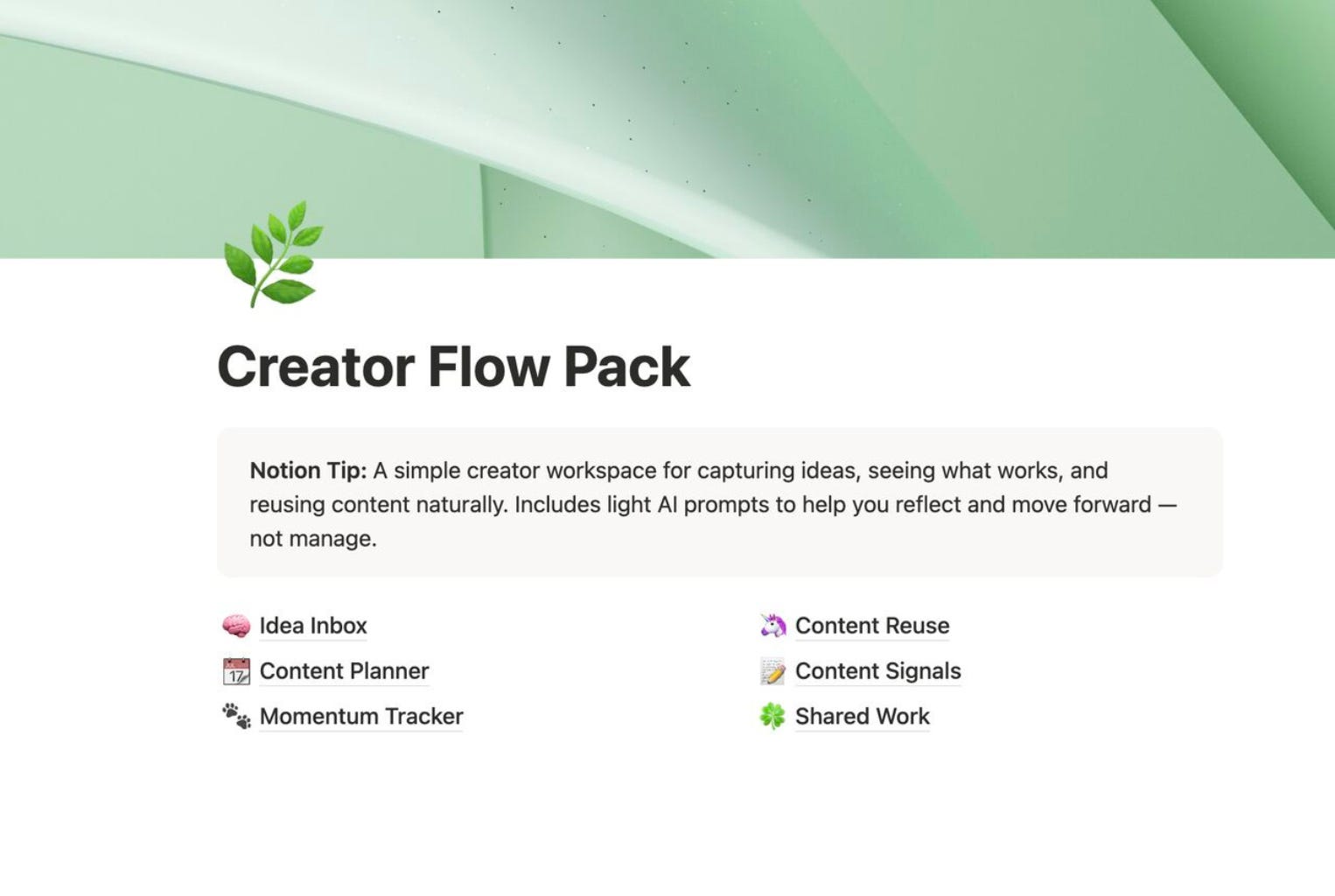
So I built something simple to fix that.
Before and After
Before, the workflow feels familiar:
Ideas get saved, but rarely revisited.
Content is planned reactively, not intentionally.
You sense when something works, but you don’t capture why.
Reuse happens by accident.
Collaboration lives in scattered messages.
After, something shifts:
There’s one place where ideas land.
You can see your upcoming content at a glance.
Momentum becomes trackable, not just felt.
Reuse becomes intentional.
Shared work becomes visible.
The difference isn’t effort.
It’s visibility.
And visibility changes how you create.
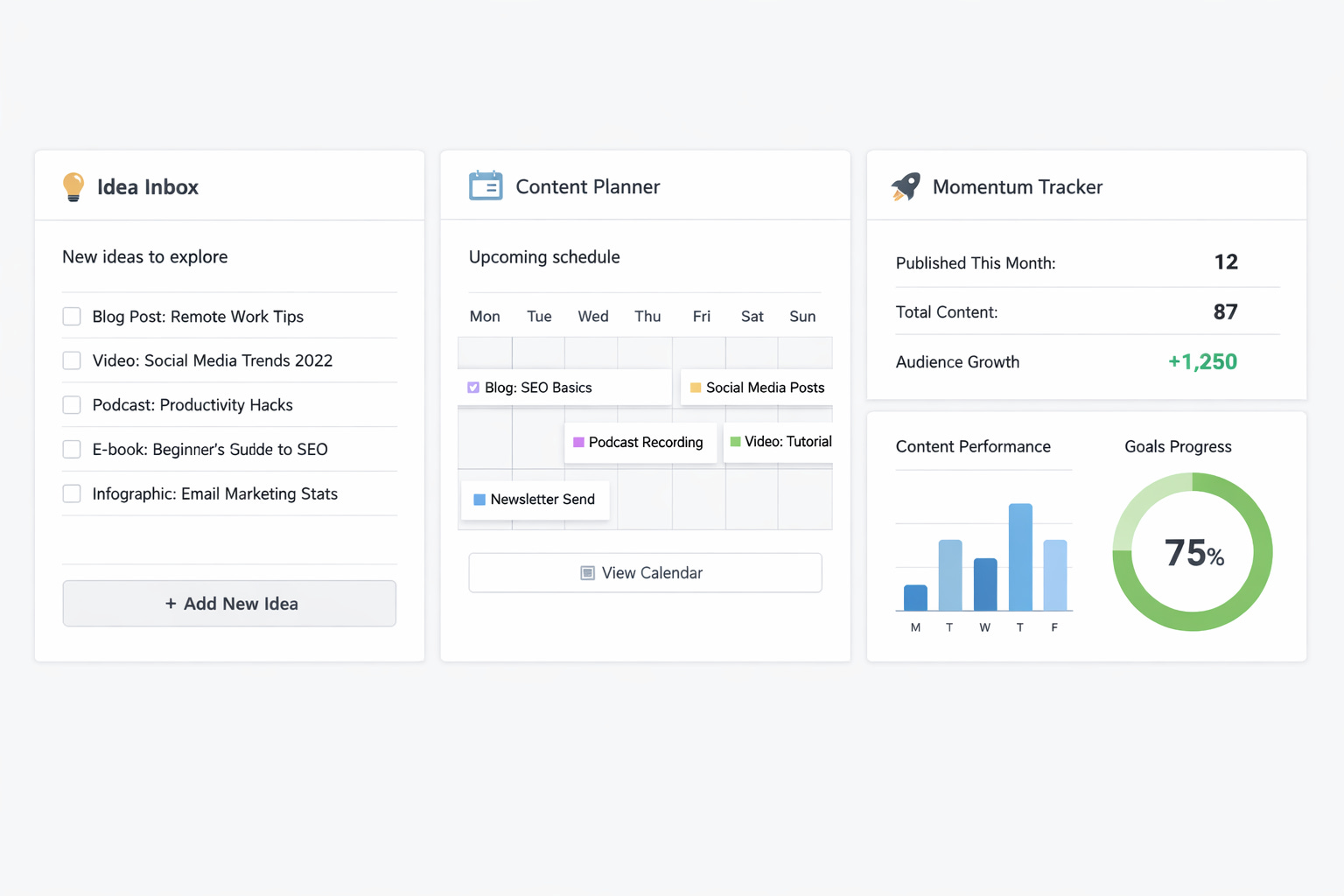
Idea Inbox — Capture First, Decide Later
Most good ideas don’t disappear because they’re bad.
They disappear because they arrive at inconvenient times.
In between tasks.
Mid-scroll.
Half-formed.
And the moment you try to organize them properly, friction appears.
So you don’t.
The Idea Inbox removes that friction entirely.
You don’t categorize.
You don’t structure.
You don’t decide.
You just capture.
Hooks.
Fragments.
Comment sparks.
Strange angles that might become something later.
Ali Abdaal often talks about how reliable idea capture is the foundation of consistent output. They’re better at capturing.
Not everything you capture becomes content.
But everything you don’t capture is already lost.
When ideas have a reliable place to land, your mind stops trying to hold them.
And that frees you to think more clearly.
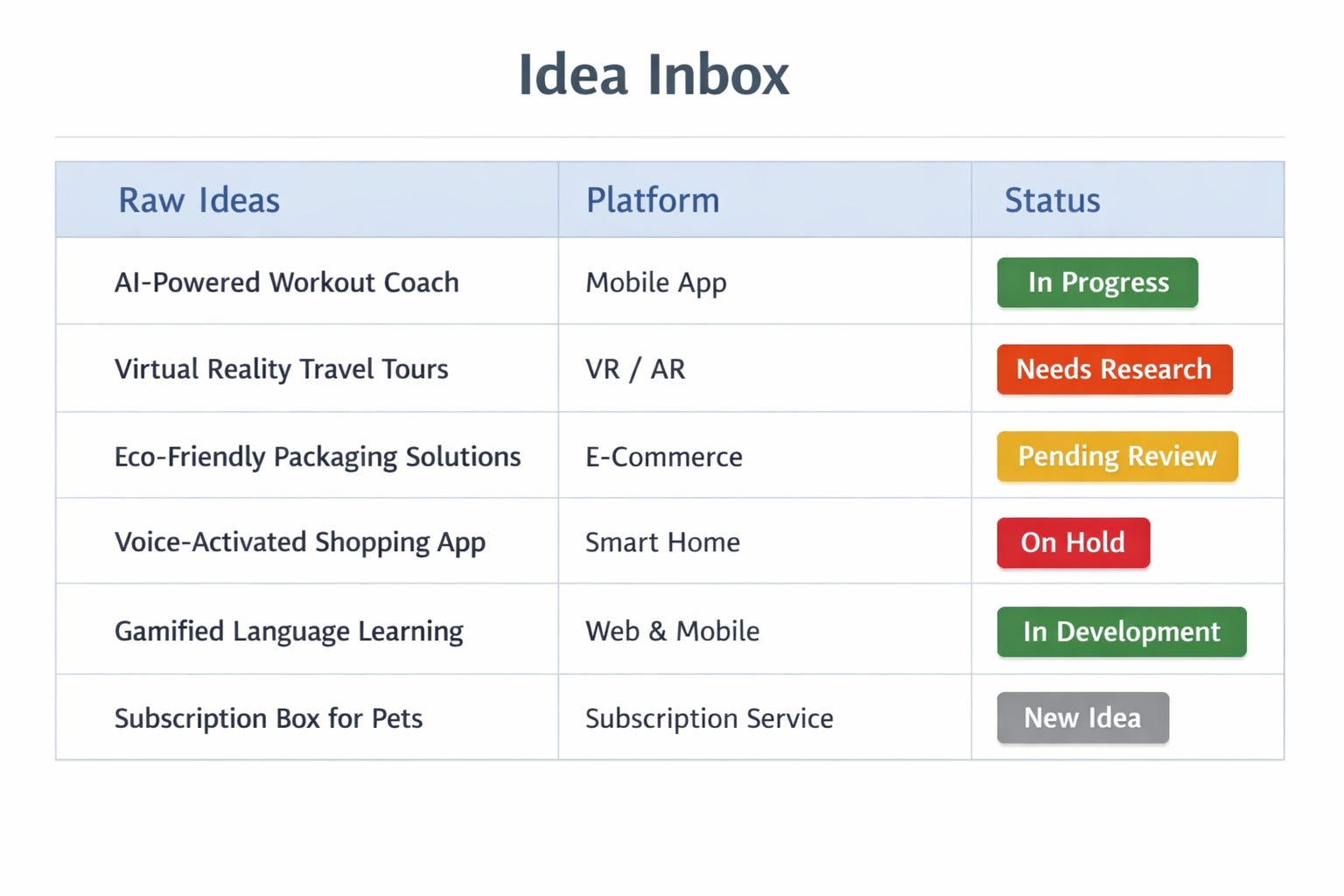
Content Planner - See the Week, Calm the Mind
This isn’t a scheduling tool.
It’s a clarity tool.
You place upcoming pieces into a simple calendar view. Nothing more.
No automation. No pressure.
Just visibility.
When you can see what’s coming, something subtle happens.
You stop negotiating with yourself constantly.
You stop wondering if you’re behind.
You stop overloading a single day out of anxiety.
Laurie Wang demonstrates how batching and visual planning reduce stress dramatically. The goal is to see your week.
Not because they increase output. Because they reduce uncertainty. Clarity makes consistency easier.
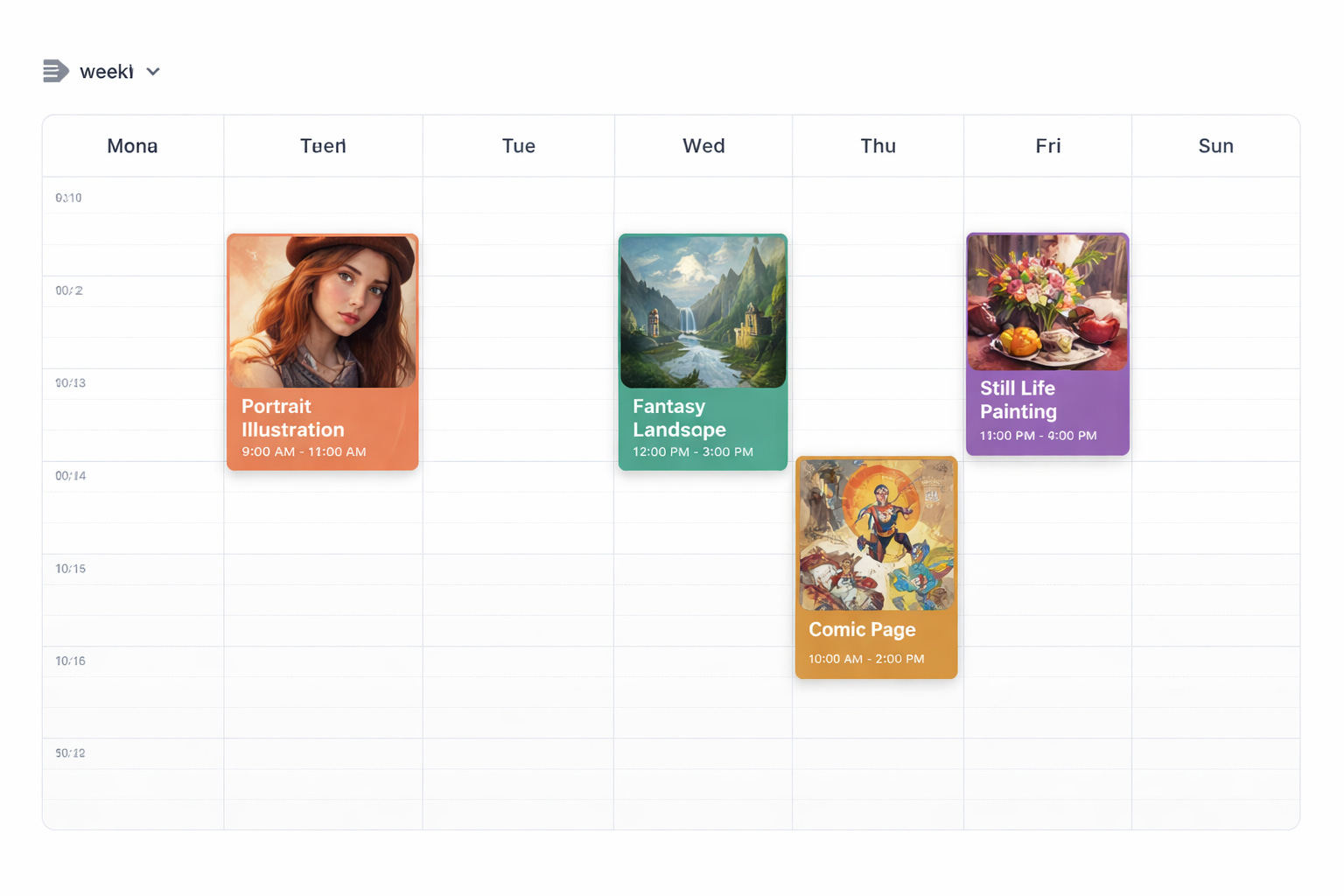
Momentum Tracker — Where Growth Actually Comes From
Most creators publish.
Very few reflect.
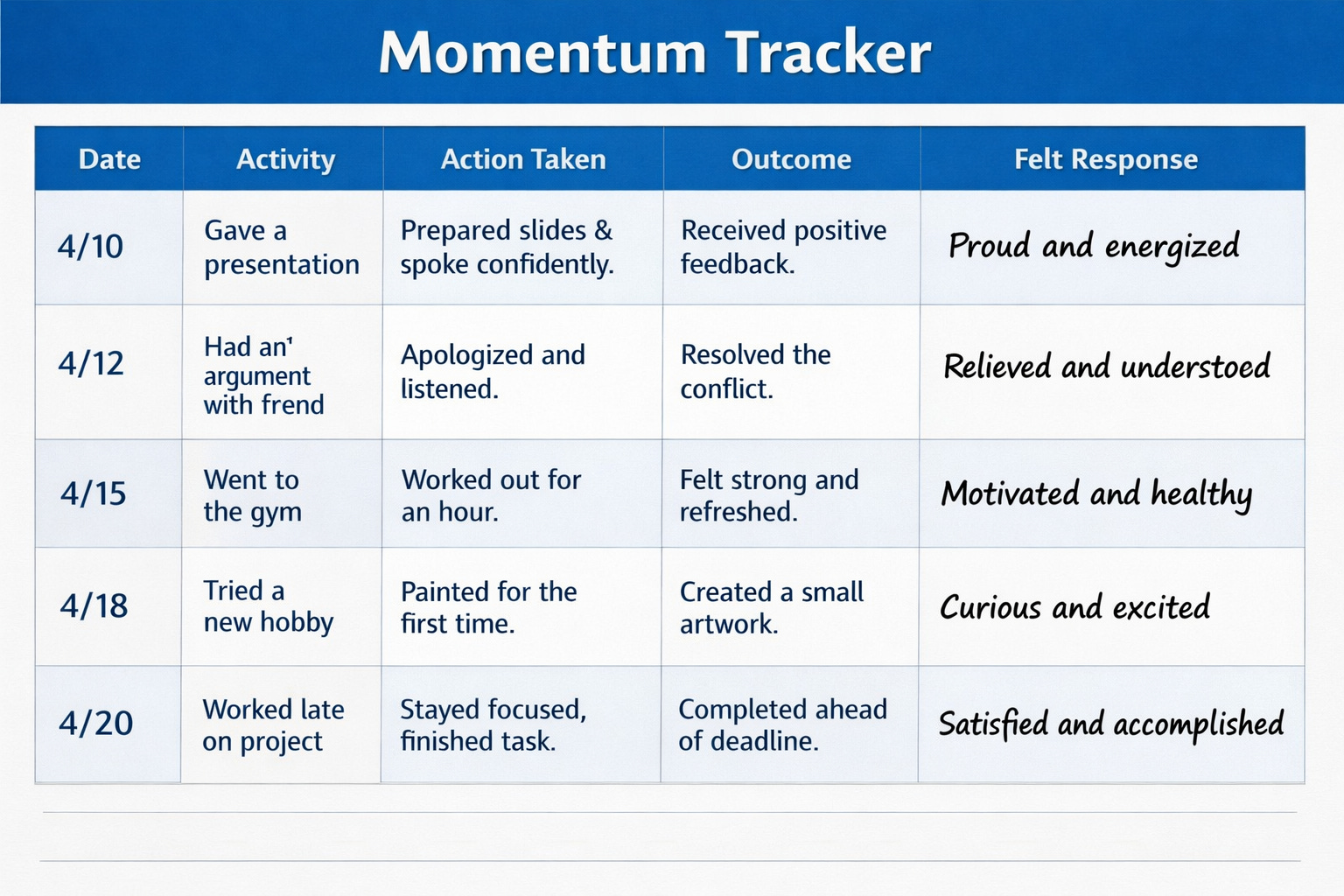
After you post, you log a few simple things:
Where it was published.
When it went live.
How it felt.
What stood out.
Not just performance.
Experience.
Over time, patterns begin to emerge.
You notice which formats energize you.
Which ideas create conversation.
Which platforms quietly drain you.
Thomas Frank builds performance review directly into his Notion systems for this reason. Feedback loses its value when it isn’t captured.
The Momentum Tracker turns reflection into a habit, not an afterthought.
There’s even a simple prompt you can use:
Based on these notes, what patterns are emerging?
Because growth doesn’t come from producing more. It comes from seeing more clearly.
Content Reuse — Turning One Idea Into Many Touchpoints
Scaling isn’t about creating endlessly.
It’s about extracting the full value from what already works.
A strong idea rarely belongs to a single platform.
It can live as:
A short post.
A thread.
A video.
A longer essay.
But without visibility, reuse becomes random.
The reuse layer simply shows where each idea can extend next.
Not as pressure.
As leverage.
Laurie Wang describes repurposing as turning one strong idea into multiple touchpoints. This makes that visible.
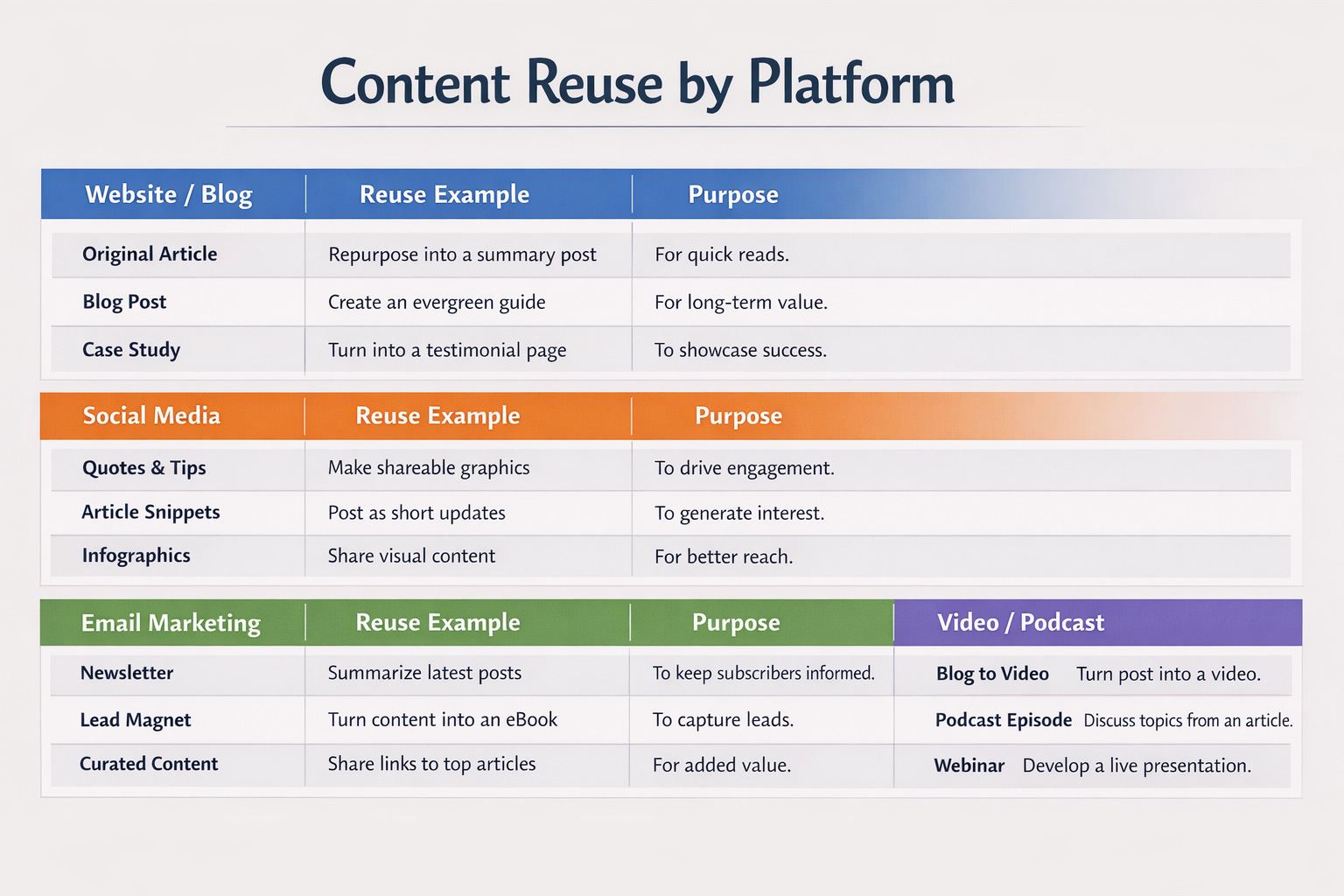
You’re not repeating yourself. You’re reinforcing signal and signal compounds.
Content Signals — Let the Audience Guide You
Your audience tells you what matters constantly.
Through replies.
Questions.
Reactions.
Unexpected resonance.
But most of these signals disappear. Not because they lack value. Because there’s no place to hold them.
Content Signals gives those moments somewhere to live.
ConvertKit’s 2024 creator research reinforces how strong audience relationships drive long-term growth.
This is how you close the loop.
Audience → Idea → Content → Audience
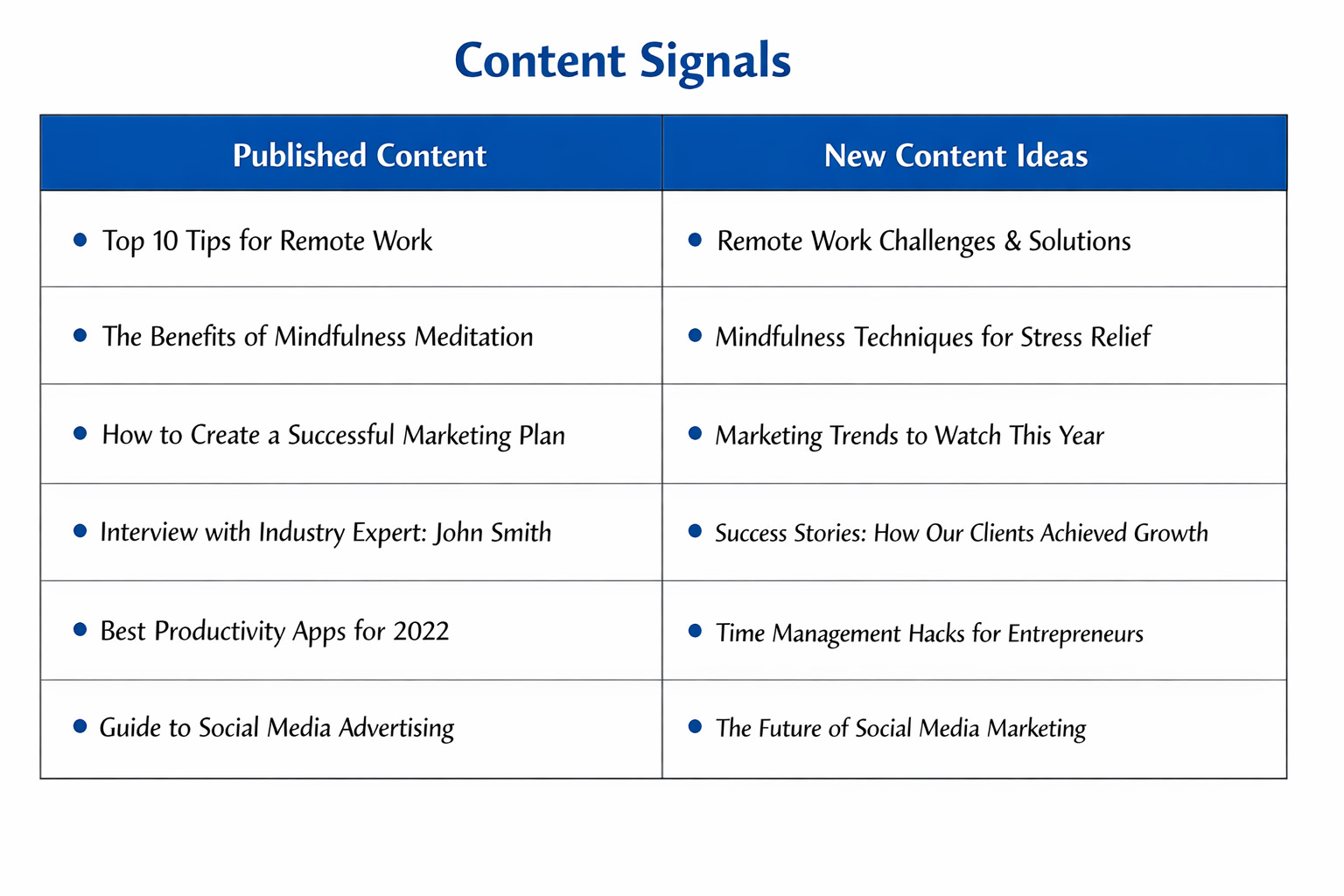
Creation stops feeling like output. It becomes dialogue.
Shared Work — Removing Invisible Load
The moment collaborators enter your process, mental load multiplies.
Not because the work is harder.
Because tracking it lives in your head.
Shared Work isn’t project management.
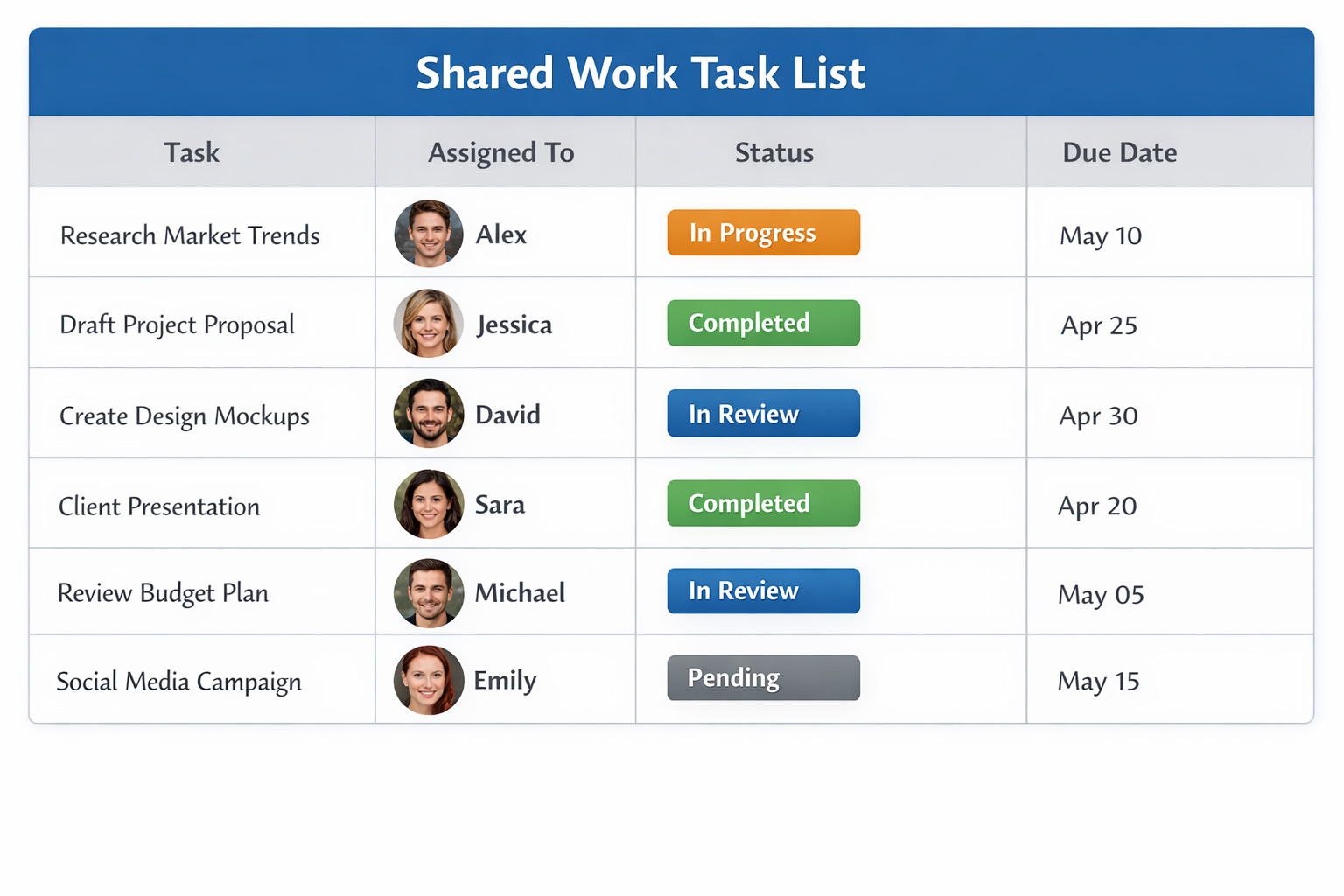
It’s externalized memory.
What’s been handed off.
What’s in progress.
What’s waiting.
When ownership is visible, your mind stops carrying unfinished loops. And unfinished loops are one of the biggest drains on creative energy.
Why This Works
Cal Newport’s deep work philosophy is simple: structure protects focus.
Not by restricting you. By removing unnecessary decisions. The Creator Flow System does the same for creative work.
It doesn’t tell you what to create. It helps you see what already exists. And visibility creates calm.
If you’re in that 20k–100k stage and growth feels heavier than it used to, the solution isn’t more effort.
It’s less fragmentation.
Don’t add intensity.
Add visibility.
The Creator Flow System is free. I’ll continue improving it and sharing updates over time.
If you want your work to feel lighter, more intentional, and more scalable, this is a simple place to start.
Build rhythm.
Track momentum.
Reuse deliberately.
See your work clearly.
That’s how scaling stops feeling chaotic and starts feeling deliberate.